- Range of
- Wayanad Wildlife Sanctuary, eastern boundary
- Nearest town
- Sultan Bathery, about 15 km
- Borders
- Bandipur (Karnataka) and Nagarhole via forest corridor
- Terrain
- Open teak and moist deciduous forest
- Safari vehicle
- Shared or private jeep, forest department run
- Best sightings
- Elephant herds, gaur, spotted deer, occasional leopard
- Closed
- Wednesdays
- Distance from Jungle Edge
- About 1 hour by road
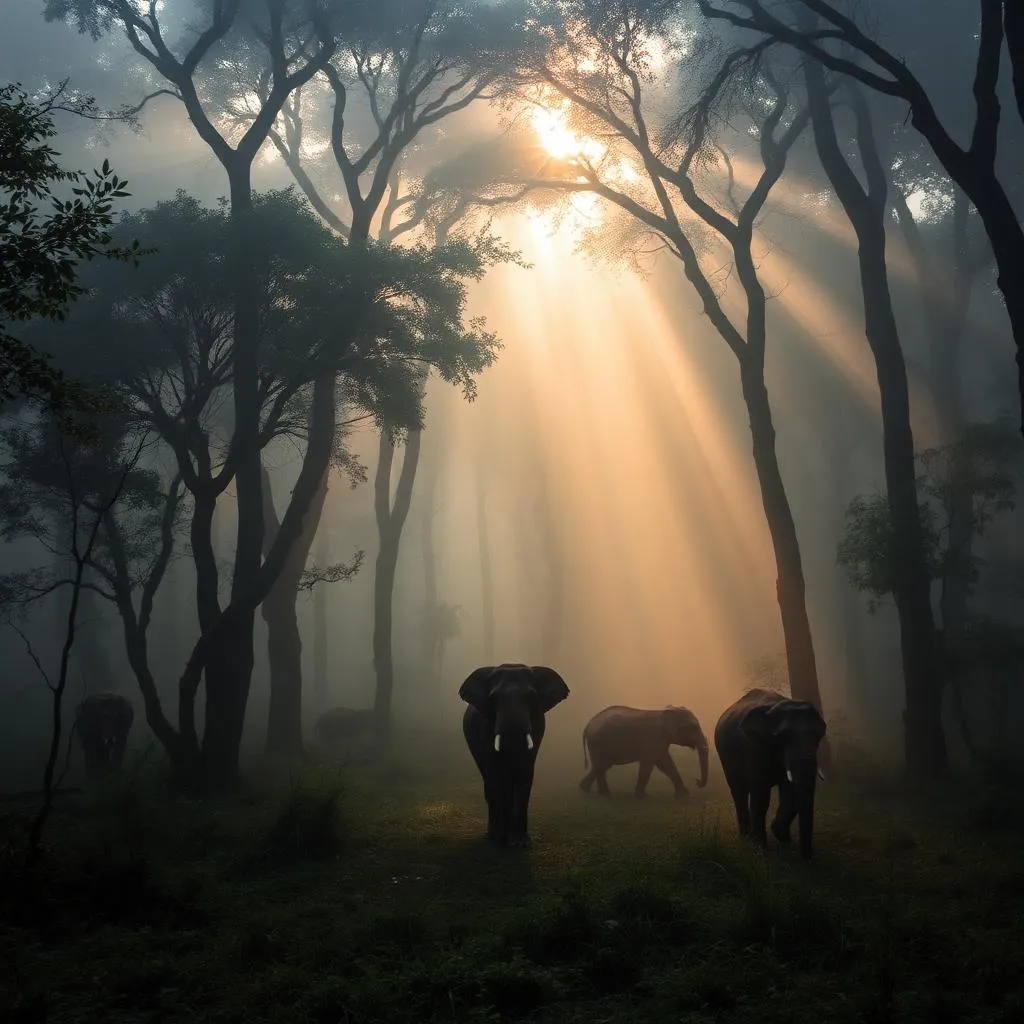
Muthanga is the range most visitors picture when they say Wayanad safari, and it has earned that reputation through sheer visibility of wildlife. The forest here is more open than the denser northern stretches around Tholpetty, a mix of teak plantation legacy and natural deciduous cover that gives long sightlines across clearings where elephant herds and gaur regularly graze in full view.
Sitting on the eastern edge of the district near Sultan Bathery, Muthanga is also the range closest to the Karnataka border, and its forest runs directly into Bandipur Tiger Reserve with no meaningful break, which is part of why sighting frequency here tends to be strong through the dry months.
The range is set up for a brisk, well-organised safari experience, with a steady flow of jeeps departing the gate in convoy at the start of each slot, more structured than the quieter pace you find further north.
History
Much of Muthanga's forest carries the legacy of colonial-era teak plantations, later absorbed into the sanctuary as conservation priorities shifted from timber extraction to habitat protection. That plantation history explains the relatively open canopy structure that still defines large sections of the range today.
Muthanga has also been at the centre of Kerala's most significant land rights debates involving indigenous Adivasi communities and forest boundaries, a history worth knowing even for visitors focused purely on wildlife, since it shaped how strictly access and settlement are now managed around the sanctuary's edges.
Highlights
Elephant sightings here are among the most consistent in Wayanad, with herds often visible from the main safari track rather than requiring a lucky detour. Gaur, sometimes in substantial numbers, graze the open clearings alongside spotted deer and, less predictably, sloth bear and leopard.
The safari route runs through a mix of bamboo brakes, teak stands and grassy clearings, giving a varied backdrop over the roughly ninety-minute circuit. Birdlife includes peafowl in large numbers, along with raptors working the open ground for prey.
Muthanga rewards patience with predictability, a range where the odds of a proper elephant sighting are about as good as Wayanad gets.
Timings
- Closed Wednesdays
- Morning safari slots typically 7:00 am to 9:00 am
- Afternoon safari slots typically 3:00 pm to 5:00 pm
- Ticket counter opens around 6:30 am for the morning slot
Entry Fee
- Jeep safari fee at the time of writing runs in the low thousands of rupees per vehicle, shared among passengers; confirm locally as rates are revised seasonally
- A separate basic entry fee applies per visitor
- Private full-jeep bookings cost more than shared seats but offer more flexibility
- Advance booking through the forest department or a registered operator is advisable in peak season
Best Time to Visit
The dry months from December to April are when Muthanga performs best, as animals concentrate around remaining waterholes and the thinner undergrowth improves visibility considerably. Early morning slots see markedly more elephant activity than afternoon ones.
Monsoon safaris, where they run at all, tend to disappoint on sightings even though the forest itself looks its most dramatic, so if wildlife is the priority, plan around the dry season.
Photography Tips
The open terrain here is more forgiving for photography than denser ranges, with animals often visible at a workable distance across clearings. A 300mm-equivalent lens handles most situations, and the flatter light of early morning avoids the harsh contrast that develops by mid-morning.
Keep camera gear low profile and avoid sudden movement, as jeeps are stopped only briefly at sightings before moving on to keep the convoy flowing.
Nearby Attractions
- Sultan Bathery town, with its historic Jain temple ruins and markets
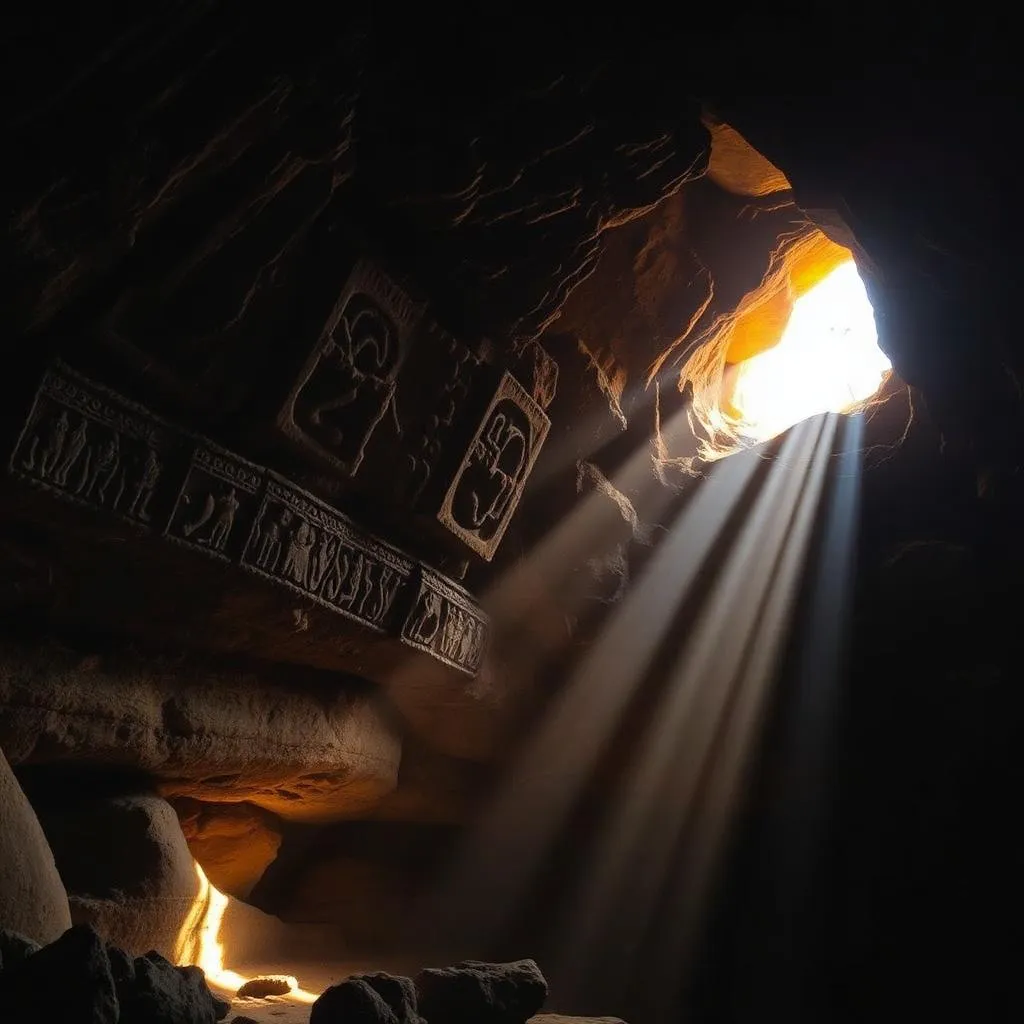
- Edakkal Caves, a short drive away, for prehistoric petroglyphs
- Pookode Lake, en route back towards central Wayanad
- Tholpetty range for a quieter contrasting safari on a different day
Travel Tips
- Book online or by phone ahead of weekends, as Muthanga is the busiest range and slots sell out
- Arrive at least 20 minutes before the slot to avoid losing your allocated jeep
- Wear neutral colours and keep voices low during the safari
- Pack a light layer for the cool early morning start even in warmer months
Staying Nearby
From Jungle Edge in Thalapuzha, Muthanga is roughly an hour's drive, comfortably doable for an early morning slot if you leave before dawn, and easily paired with a stop at Edakkal Caves or Sultan Bathery on the return leg. It makes a natural counterpart to a separate visit to Tholpetty, which sits far closer to the resort, giving guests the chance to compare Wayanad's two safari ranges within the same trip.
We can help with safari bookings and timing the drive so you reach the Muthanga gate with margin to spare, which matters more here than at quieter ranges given how quickly morning slots fill.
Find it on the map
Get directionsFrequently asked
Related guides
Plan the rest of your stay
Balcony rooms, single, twin and premium cottages
Nature walks, campfires, pool evenings
The full hub of attractions, seasons and itineraries
The Jungle Edge journal
Why guests choose Jungle Edge
A stay surrounded by forest and hills
Cottages and activities for every age
Drive times, airports and directions
From the journal
Pair a Muthanga safari with a night at Jungle Edge
An hour's drive from the resort, Muthanga rewards an early start with some of Wayanad's most reliable sightings.
Thalapuzha, Kanyamoola, Valad (PO), Mananthavady, Wayanad