Booking a stay in Wayanad, travellers often default to the same criteria they would use for any city trip: room size, star rating, proximity to a town centre. These are reasonable measures for a business hotel in Kochi or Bengaluru. They are the wrong measures entirely for a district whose entire appeal lies outside the building you sleep in.
The location argument
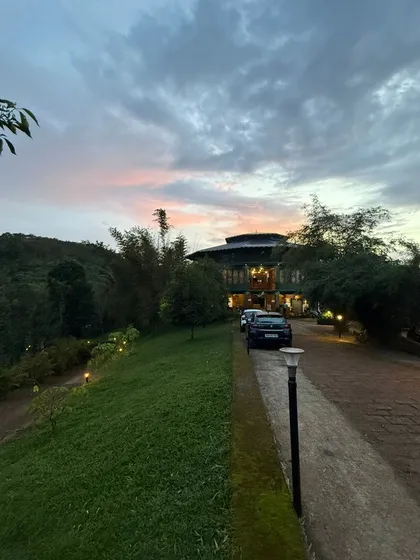
A hotel in a Wayanad town centre puts you closer to restaurants and shops, certainly, but also closer to traffic, construction and the general noise of a small Kerala town going about its business. A nature resort set against reserve forest, like Jungle Edge in Thalapuzha near Mananthavady, trades that convenience for something the district is actually known for — proximity to the Tholpetty and Thirunelli forest belt, quieter roads, and mornings that begin with birdsong rather than traffic.
What a forest-edge stay actually adds
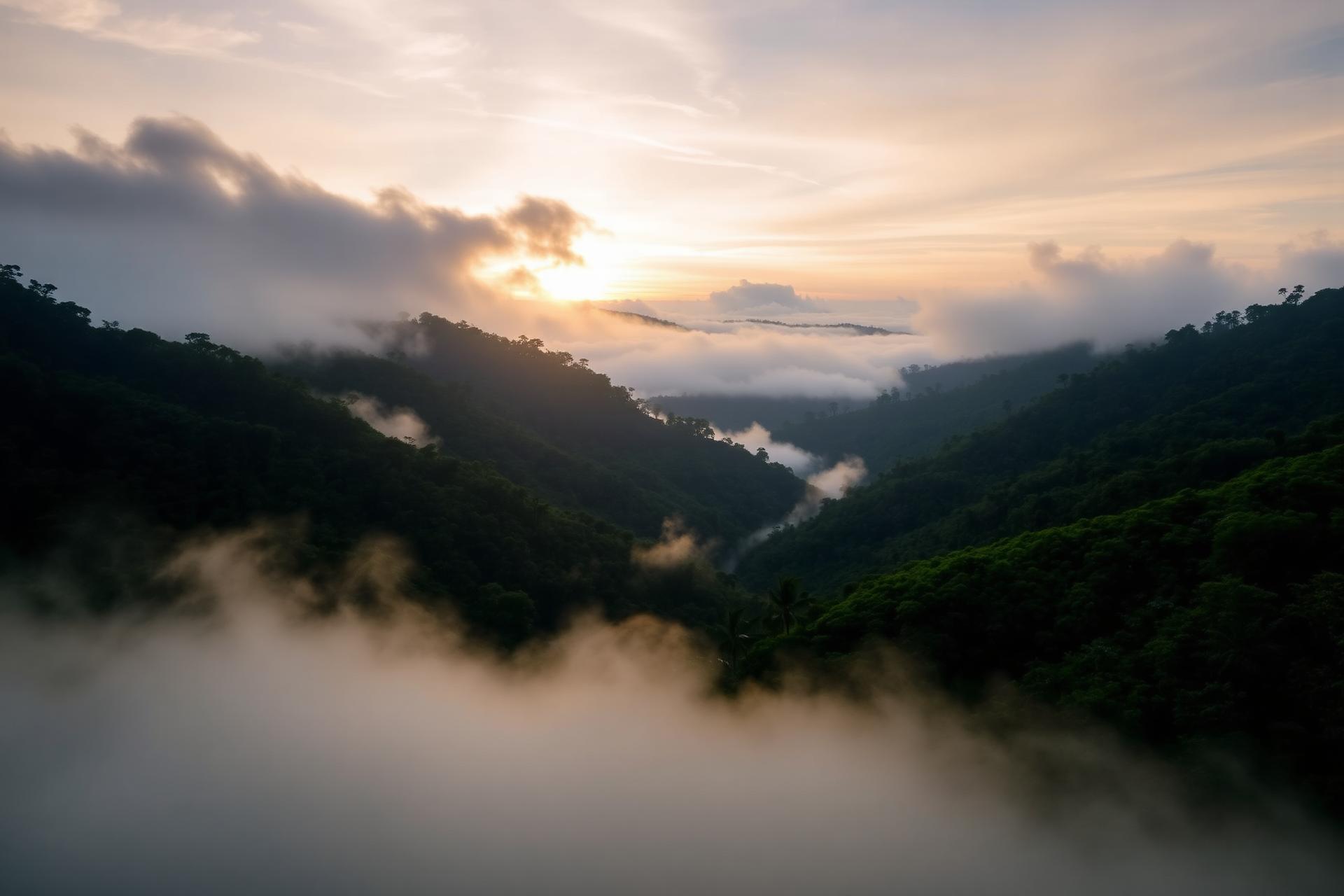
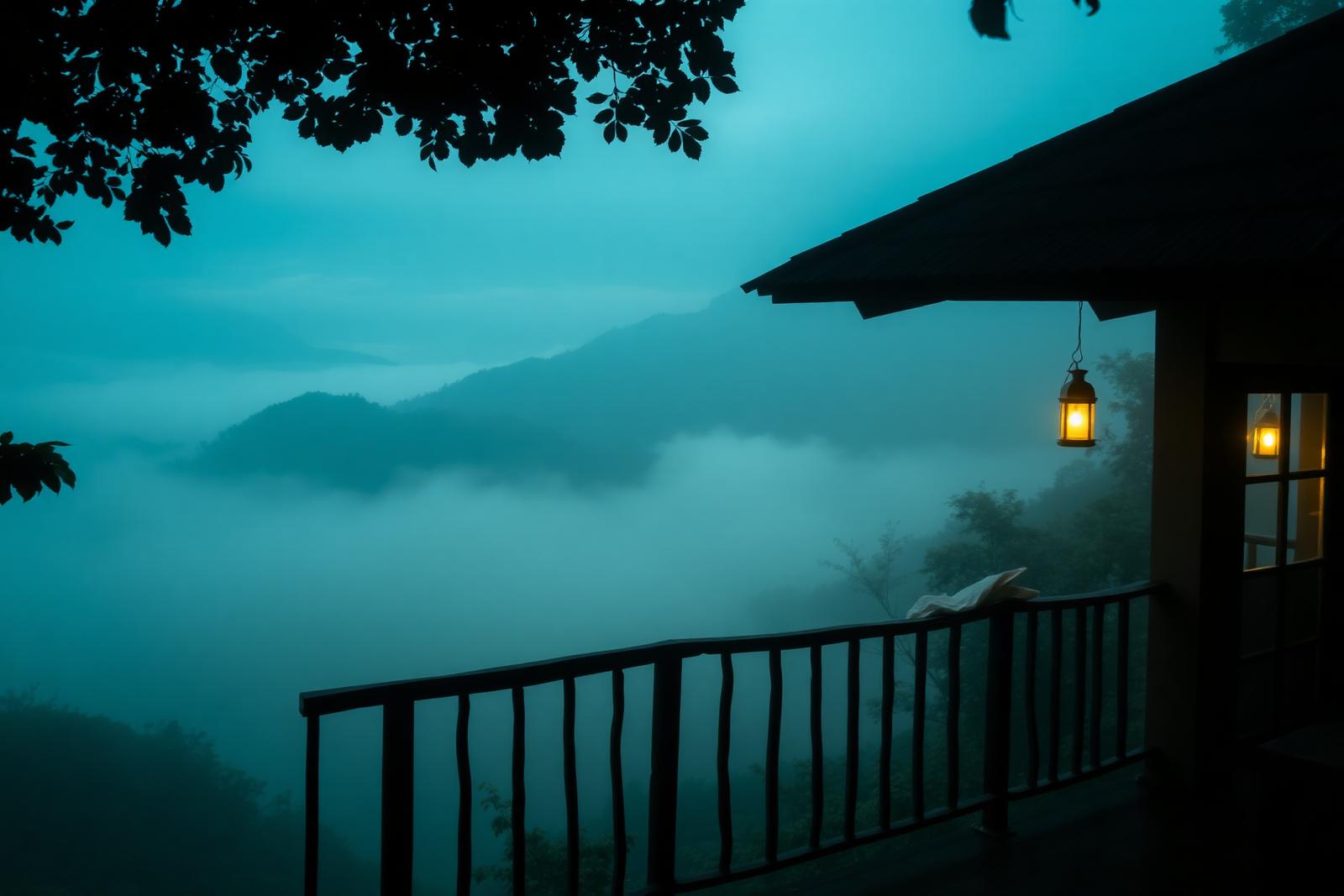
The difference is not cosmetic. Waking to the sound of a hornbill rather than a generator, watching mist lift off tree cover from your own balcony, having the possibility — not the guarantee, but the real possibility — of an elephant herd passing through nearby fields at dusk: these are experiences a hotel, however well-appointed, structurally cannot offer, because they depend on the land around the building, not the building itself.
In Wayanad, the best amenity a property can offer is what lies just beyond its boundary.
Architecture that respects the setting
Nature resorts in this part of Kerala tend to be built low, spread out, and oriented toward views and airflow rather than density, often using local stone, wood and tiled roofs that sit comfortably in the landscape rather than dominating it. This is partly practical — high-rise construction makes little sense on hill terrain — and partly philosophical, an acknowledgement that guests are visiting to experience the forest, not to escape into an air-conditioned box that happens to be located near one.
Food, pace and staff who know the land
A hotel kitchen serving a broad multi-cuisine menu is optimised for convenience. A resort kitchen closer to the land it sits on — sourcing coffee from a neighbouring estate, vegetables from nearby farms, recipes from Wayanadan rather than generic Kerala tradition — tends to produce food with more character, precisely because it has less to prove and fewer diners to satisfy with familiar options. Staff at forest-based properties, many drawn from surrounding villages, often double as genuinely useful local guides, pointing guests toward a plantation walk, a lesser-known viewpoint, or the honest truth about which waterfall is worth the drive that day and which is not.
Not for everyone, and that is fine
None of this is an argument against hotels categorically — travellers prioritising nightlife, shopping or business meetings are better served by a town-centre property, and Wayanad has decent options for that. But for a trip whose entire premise is forest, hills and quiet, a nature resort is not simply a nicer version of a hotel. It is a fundamentally different kind of stay, built around the idea that the landscape, not the lobby, is the point of the visit.
What to look for
When comparing nature resorts, look past the pool photographs to specifics: how close is the property genuinely to forest rather than merely advertised as such, does it source food and staff locally, does the architecture use natural materials and orientation sensibly, and does it offer guided walks or safari coordination rather than leaving guests to arrange everything independently. Jungle Edge Resort in Thalapuzha, built along these lines with the Tholpetty forest belt a short drive away, is one example of what the distinction looks like in practice — though the same checklist applies wherever in Wayanad you choose to stay.