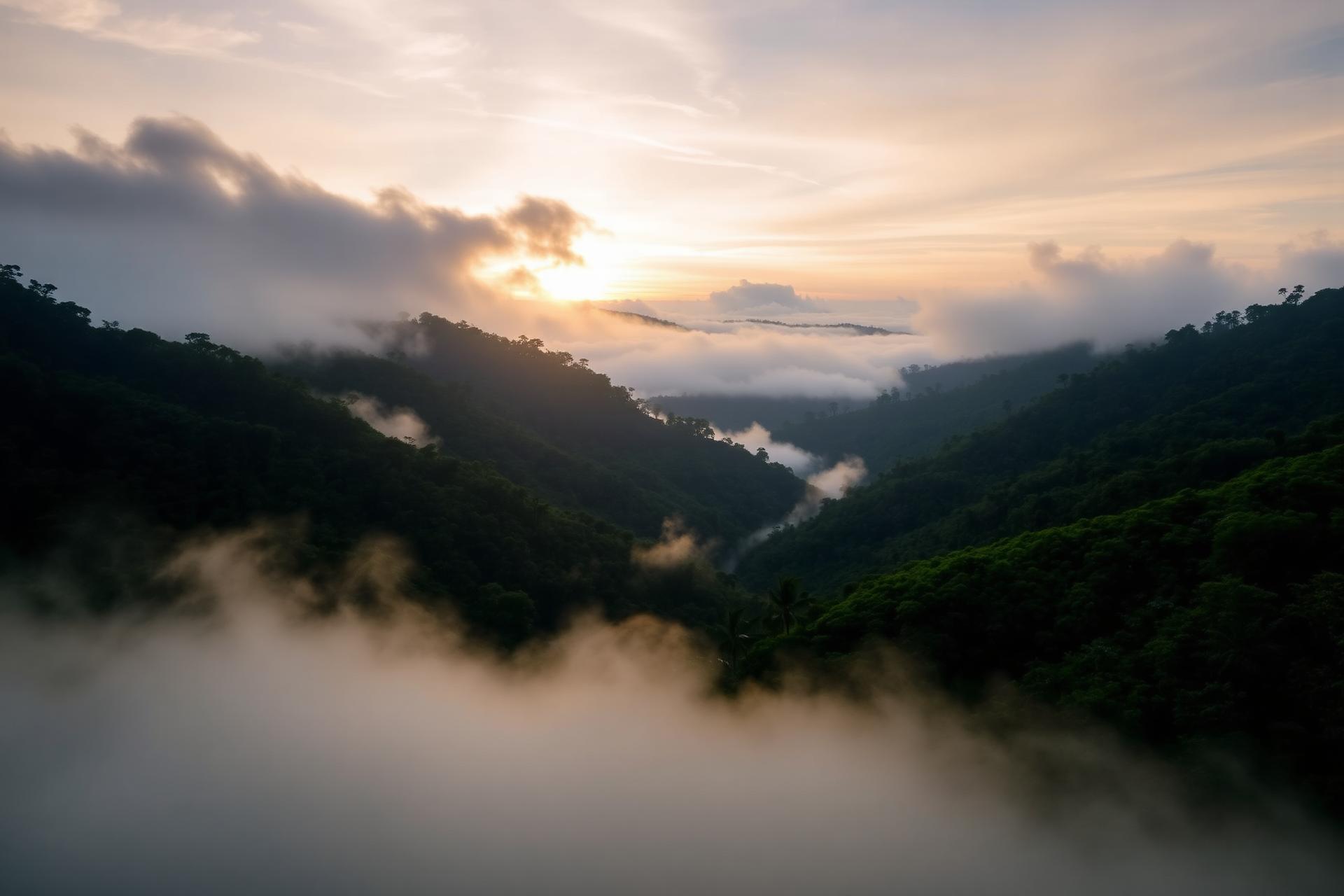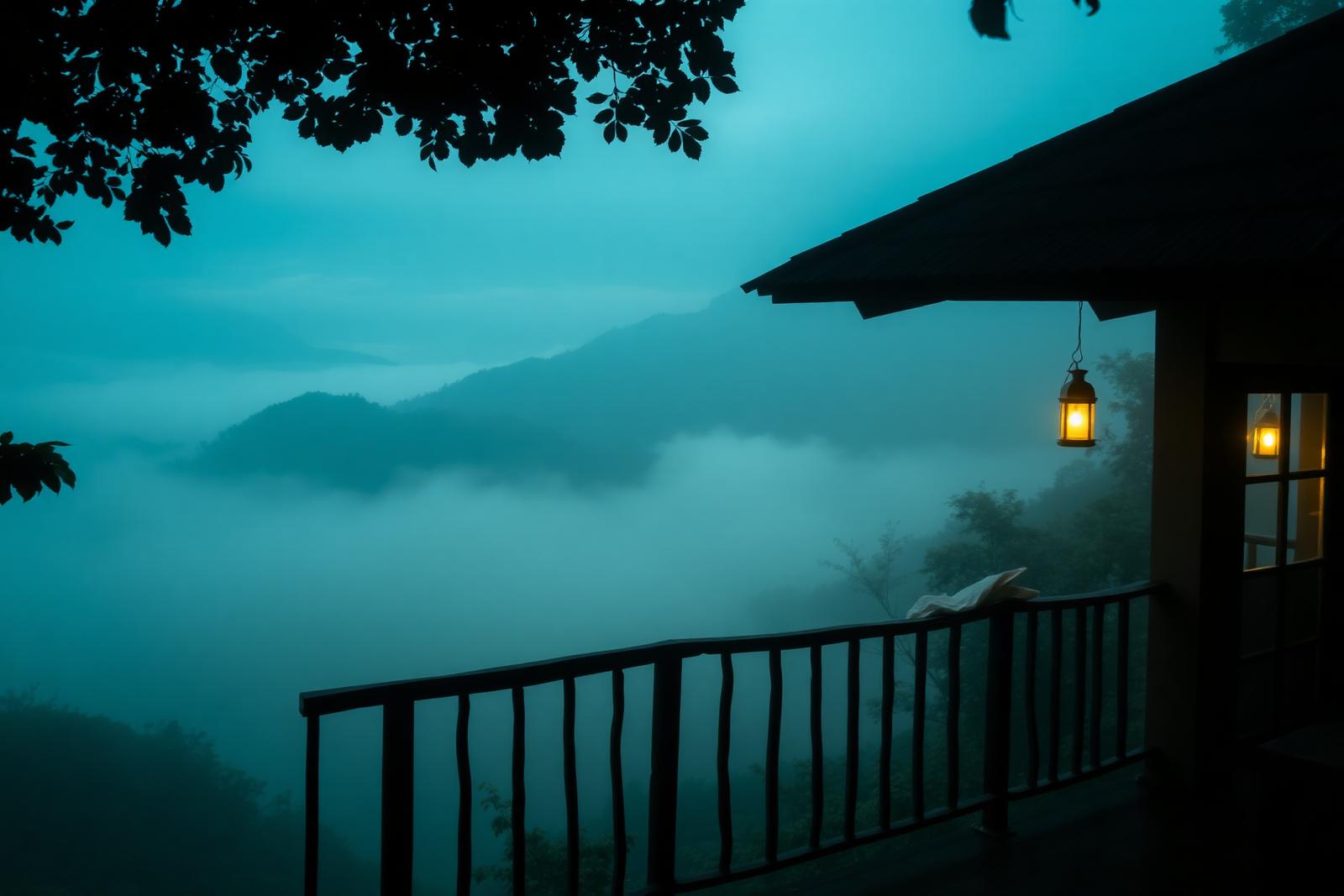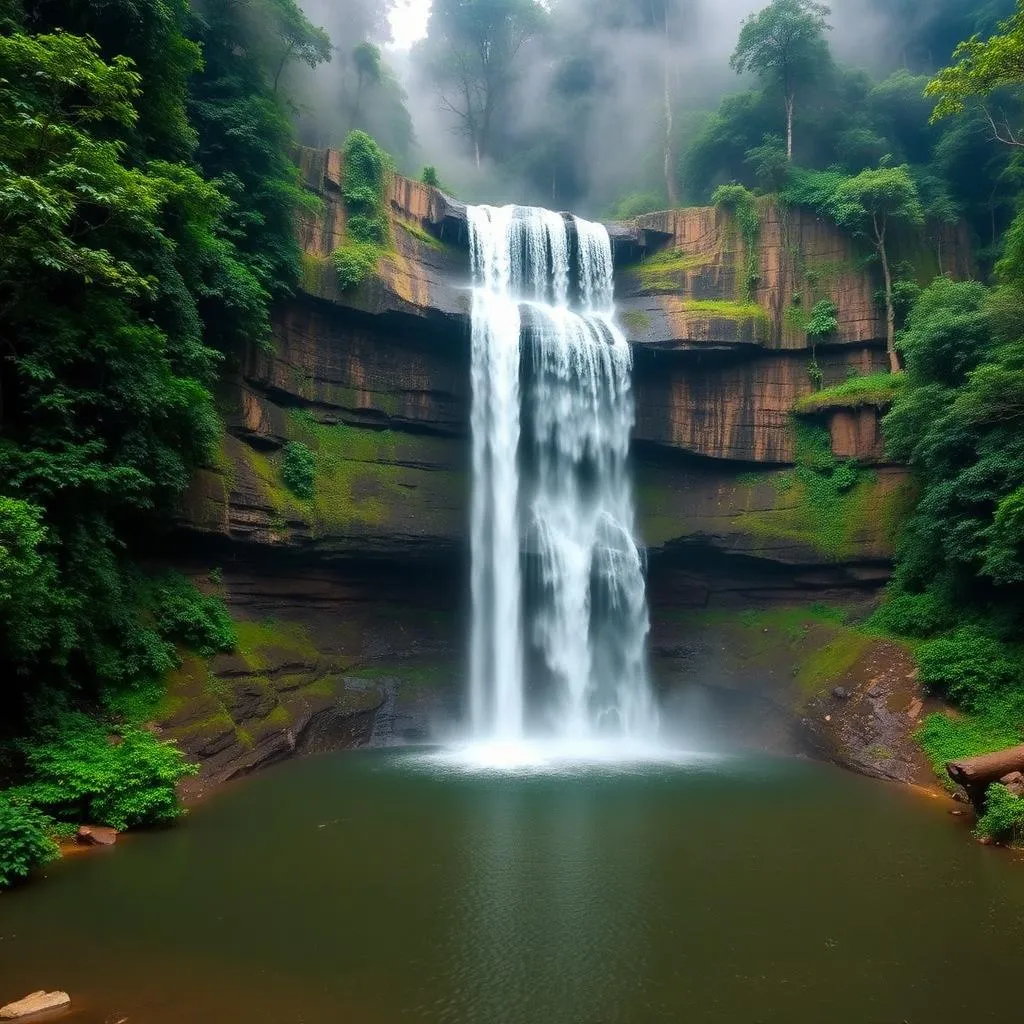
Wayanad receives the bulk of its roughly 2,300mm of annual rainfall between June and September, when the southwest monsoon sweeps in off the Arabian Sea and empties itself against the Western Ghats. Many travellers avoid the district in this period, which is a mistake — the monsoon is arguably when Wayanad looks most like itself, waterfalls swollen, hills a saturated green, mist settling into every valley by late afternoon.
What actually changes
Rainfall is heaviest and steadiest in June and July, easing somewhat by August and September, with October bringing the retreating monsoon's more intermittent showers. Some trekking trails, including the summit approach at Chembra, close periodically during heavy weather for safety, and certain forest routes and the Kuruva Island crossing may shut altogether when water levels rise. It is worth checking conditions locally rather than assuming an itinerary planned in advance will hold exactly as booked.
The upside nobody mentions
Waterfalls like Meenmutty and Soochipara run at their fullest and most dramatic. Tea and coffee estates turn a deeper green than at any other time of year. Tourist numbers drop substantially, meaning viewpoints, temples and even wildlife sanctuary safaris feel far less crowded. Room rates at most resorts, Jungle Edge included, tend to ease during this period, which makes the monsoon genuinely good value for travellers who pack correctly and adjust their expectations.
Wayanad's monsoon is not a season to avoid. It is a season to pack for.
Getting around safely
Ghat roads, particularly the stretch near Lakkidi and Thamarassery, can see landslides during exceptionally heavy spells, and local news or hotel staff are usually the fastest source of accurate road status — faster than relying on a map app alone. Avoid driving after dark during heavy rain, keep fuel topped up given the possibility of detours, and build slack into any itinerary that involves crossing the ghats on a tight schedule.
Leeches and how to deal with them
Any forest walk during or shortly after monsoon rain will likely involve leeches. They are harmless but unsettling to the unprepared. Leech socks, salt, and tobacco-based repellents (sold locally) are standard precautions, and most trekking guides in the district carry them as a matter of course. A calm approach — flicking rather than pulling a leech off — avoids irritation.
What to do on a heavy rain day
Not every monsoon day suits outdoor plans. Plantation visits under estate cover, museum stops at Edakkal's heritage centre or the Pazhassi Museum, a slow lunch of kappa and meen curry, or simply reading on a covered veranda while rain drums on the roof are all legitimate ways to spend a wet afternoon. Properties built with the monsoon in mind, with deep verandas and forest views rather than closed-in interiors, make this considerably more pleasant — it is one of the quieter reasons places like Jungle Edge Resort in Thalapuzha are booked out by monsoon regulars who return every year for exactly this kind of afternoon.
Final practicalities
Pack quick-dry clothing, a proper rain jacket, waterproof bags for electronics, and mosquito repellent, since stagnant water increases mosquito activity in this period. Confirm with your accommodation ahead of arrival whether any planned activities — safaris, treks, island crossings — are running, since monsoon schedules shift week to week rather than season to season.