- Also known as
- Kuruva Island
- River
- Kabini (a tributary channel)
- Nearest town
- Mananthavady, about 17 km
- Access
- Bamboo raft or coracle across shallow channels
- Ideal duration
- 2 to 3 hours
- Distance from Jungle Edge
- Roughly 20 minutes by road
- Closed
- During heavy monsoon flooding, dates vary by year
- Type
- Protected riverine forest island
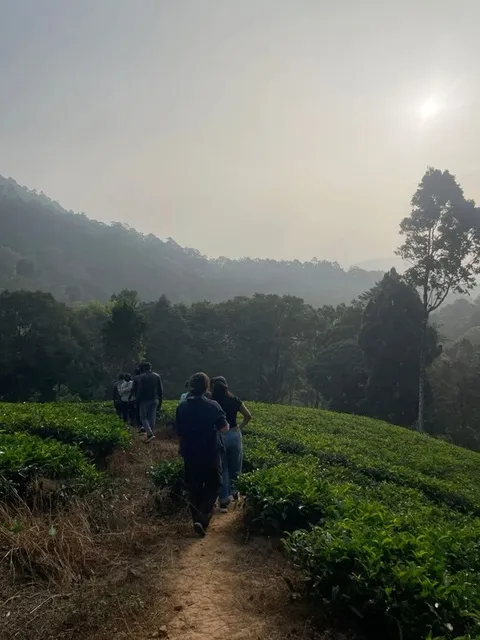
Kuruvadweep is not one island but a scatter of them, stitched together by shallow braids of the Kabini as the river slows down and spreads out across the northern Wayanad plateau. Locals simply call it Kuruva Island, and the name has stuck in most guidebooks, but the plural is closer to the truth. Walk a few hundred metres inland and you cross from bamboo thicket to marshland to a stretch of evergreen canopy, each pocket with its own microclimate.
What draws people here is not a single monument or viewpoint but the sensation of being cut off, briefly, by water. You reach the island on a bamboo raft or a small coracle, poled across a channel that rarely runs more than waist deep outside monsoon. It takes a few minutes, but it recalibrates the pace of the visit before you have even set foot on the sand.
For guests staying with us at Jungle Edge in Thalapuzha, Kuruvadweep is one of the shortest excursions on the itinerary, a fact we mention early because it changes how you plan the day. Rather than an all-day outing, it slots neatly into a morning, leaving the afternoon free for the resort's own trails or a slower lunch on the deck.
History
The islands have long held a quiet ritual significance for communities along the Kabini, and older residents in Mananthavady still refer to certain groves here as sacred, spaces where cutting timber or hunting was traditionally avoided. That informal protection, more custom than law, is one reason the forest survived largely undisturbed while much of lowland Wayanad was cleared for plantation in the nineteenth and twentieth centuries.
Formal conservation followed later, when the Kerala Forest Department brought the islands under protected status as part of the wider Wayanad Wildlife Sanctuary buffer network. Rafting was introduced as the only sanctioned mode of access, partly to limit footfall and partly because no permanent bridge has ever been built, a decision that has kept the island genuinely difficult to overrun even on a busy weekend.
Highlights
The raft crossing itself is the highlight for most first-time visitors, an unhurried few minutes gliding over clear, cool water with the forest closing in on both banks. Once ashore, marked trails loop through bamboo stands tall enough to blot out the midday sun, past epiphytic orchids clinging to older trees, and along sandy riverbanks where herons and kingfishers work the shallows.
Birdwatchers rate the island highly outside the main tourist hours, particularly at dawn when the boat service first opens, for sightings of racket-tailed drongos, paradise flycatchers and the occasional Malabar grey hornbill moving between the canopy. The understorey is rich with ferns and wild ginger, and during the post-monsoon months the ground is carpeted with fallen bamboo leaves that muffle footsteps almost entirely.
It is one of the few places in Wayanad where the forest still feels larger than the visitor, if only because the river decides how much of it you get to see.
Timings
- Open Wednesday to Monday, closed on Tuesdays for forest maintenance
- Gates typically operate 9:00 am to 4:30 pm
- Last raft crossing usually around 4:00 pm
- Fully closed during heavy monsoon spells when water levels rise sharply, roughly July to early September in wet years
Entry Fee
- Entry ticket at the time of writing is a modest per-head fee, typically under ₹50; confirm locally as forest department rates are revised periodically
- Raft or coracle crossing is charged separately, usually a small per-person fee each way
- Camera and vehicle parking charges may apply at the counter
- Guided nature walks, where available, cost extra and are worth arranging in advance through the forest office
Best Time to Visit
The window from October to March is the most reliable, with calm water, comfortable walking temperatures and good raft availability. Early mornings on weekdays are noticeably quieter than weekend afternoons, when tour groups from Kalpetta and Sultan Bathery arrive in numbers.
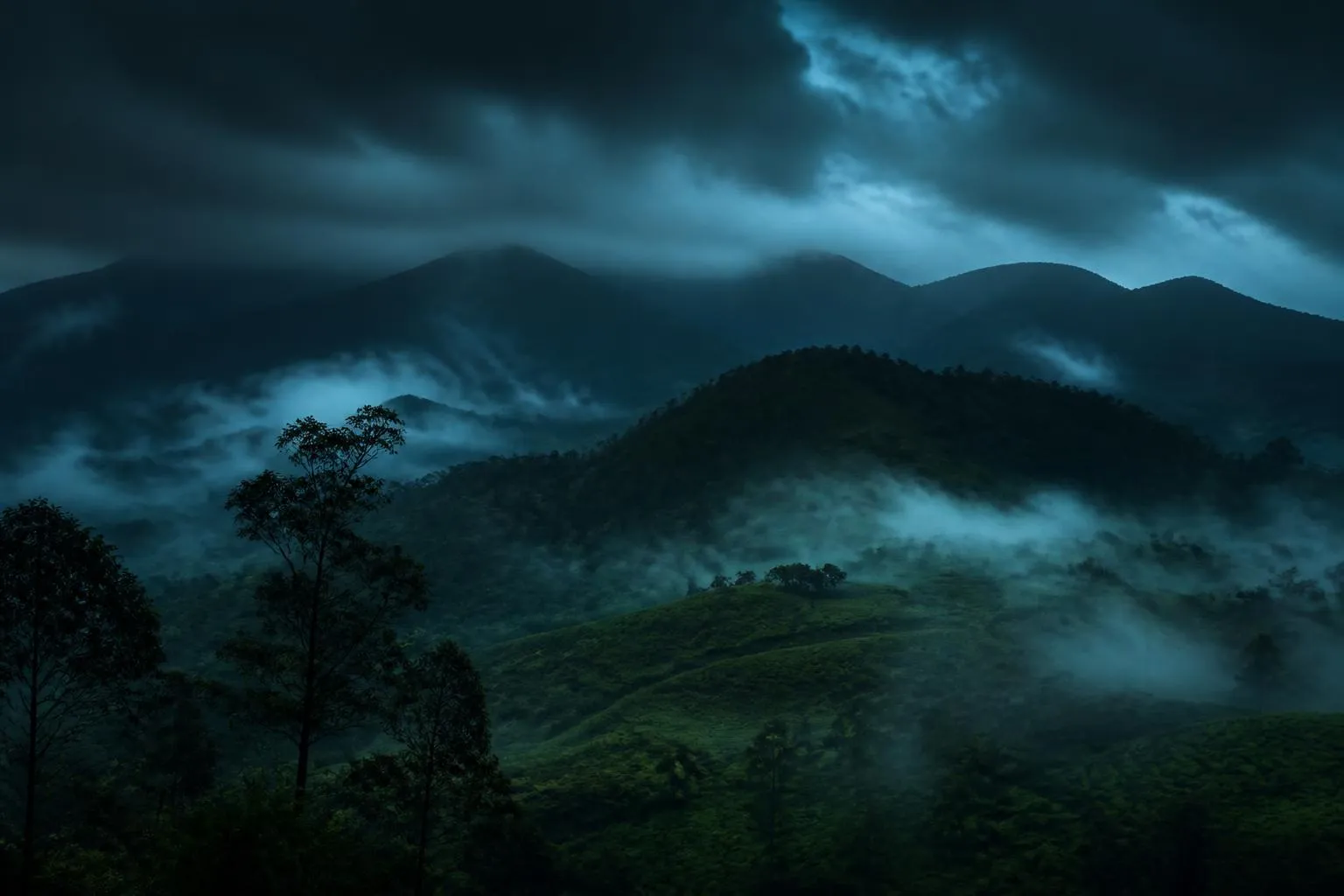
Monsoon months bring the island to life in a different way, with the forest at its greenest, but flooding often forces temporary closure, and the department's decisions can change day to day depending on rainfall upstream. If you are travelling specifically for Kuruvadweep during June to September, it is worth calling ahead rather than assuming access.
Photography Tips
The raft crossing itself photographs beautifully in the soft light of early morning, with mist often still sitting on the water. Bring a lens that can handle the deep shade of the bamboo groves, since the canopy blocks a surprising amount of light even at midday, and a slower shutter speed can turn the shallow channels into smooth ribbons.
Wildlife photographers should keep a longer lens ready for riverbank birds, which tend to hold still if you approach slowly along the sand rather than through the trees. Waterproof or splash-resistant bags are sensible given the raft crossing, however brief.
Nearby Attractions
- Tholpetty Wildlife Sanctuary, a short drive further north, ideal for combining with an early safari
- Pakshipathalam trekking base near Thirunelli, for a more demanding forest hike
- Thirunelli Temple, one of Kerala's oldest Vishnu shrines, set against the Brahmagiri hills
- Mananthavady town itself for markets, spice shops and roadside Kerala breakfasts
Travel Tips
- Wear closed shoes that can get wet, since the raft crossing and sandy trails often mean damp feet
- Carry your own drinking water, as facilities on the island itself are minimal
- Avoid loud speakers or music, which is both discouraged by the forest department and disruptive to birdlife
- Arrive before 10 am on weekends to avoid queueing for the raft
- Insect repellent is genuinely useful here given the marshy ground cover
Staying Nearby
Kuruvadweep is one of the closest recognised attractions to Jungle Edge, our resort in Thalapuzha, just outside Mananthavady. Guests can reach the forest department counter in around twenty minutes, which makes it realistic to combine an early raft crossing with a full afternoon back at the property, whether that means a walk through our own tree cover or simply time at the pool with the Brahmagiri hills on the horizon.
We can help arrange timings around the raft schedule and suggest whether a particular week is likely to see closures, since our team tracks local river conditions closely. For anyone building an itinerary around Wayanad's quieter, water-shaped landscapes, basing yourself in Mananthavady rather than further south around Kalpetta shaves meaningful time off this particular excursion.
Find it on the map
Get directionsFrequently asked
Related guides

Plan the rest of your stay
Balcony rooms, single, twin and premium cottages
Nature walks, campfires, pool evenings
The full hub of attractions, seasons and itineraries
The Jungle Edge journal
Why guests choose Jungle Edge
A stay surrounded by forest and hills
Cottages and activities for every age
Drive times, airports and directions
From the journal
Base yourself minutes from the river islands
Stay at Jungle Edge in Mananthavady and reach Kuruvadweep's raft crossing in around twenty minutes.
Thalapuzha, Kanyamoola, Valad (PO), Mananthavady, Wayanad