- Season window
- June to September
- Typical temperature
- 18–26°C
- Rainfall
- Heavy, sustained, heaviest in June–July
- Crowd level
- Lowest of the year
- Best for
- Waterfalls, greenery, quiet plantation stays
- What to pack
- Rain shell, dry bag, leech socks, spare footwear
Monsoon is the season Wayanad is least often photographed for and most defined by. From roughly June through September, the southwest monsoon settles over the Western Ghats and does not let up for weeks at a time, turning red-earth roads to rivulets and dry streambeds into roaring falls. It is not a season for a checklist itinerary. It is a season for travellers who want to see the district at its most elemental.
This is also, without much competition, the cheapest and quietest time to visit. Resorts that are booked out months ahead in December have rooms to spare in July, and viewpoints that hold fifty cars in January might hold three.
What the season actually feels like
Rain in Wayanad's monsoon is rarely a brief shower. It arrives as extended spells — sometimes a few hours, sometimes most of a day — interspersed with breaks of surprising clarity when the cloud lifts off the hills and the whole valley seems to steam gently in the aftermath. The air smells of wet earth and crushed leaves almost constantly. Streams that are barely a trickle in April become audible from a distance.
This is Wayanad without its makeup on — muddier, louder, greener, and in its own way more honest than the postcard months.
Weather and temperature ranges
Daytime temperatures generally sit between 18°C and 26°C, cooler than any other season aside from peak winter mornings. Humidity is high throughout. June and July typically bring the heaviest and most continuous rainfall of the year; by August the spells begin to space out, and September sees a further, gradual tapering. Rainfall totals and timing vary meaningfully year to year, so treat any specific figure as an approximation rather than a promise.
What to do — and what to skip
Waterfall visits, plantation walks in the gaps between showers, homestead and spice-garden tours, and simply sitting with a view of rain moving across a valley are the strong options here. Long treks to exposed viewpoints, multi-hour safaris, and anything dependent on a dry trail are the weak ones.
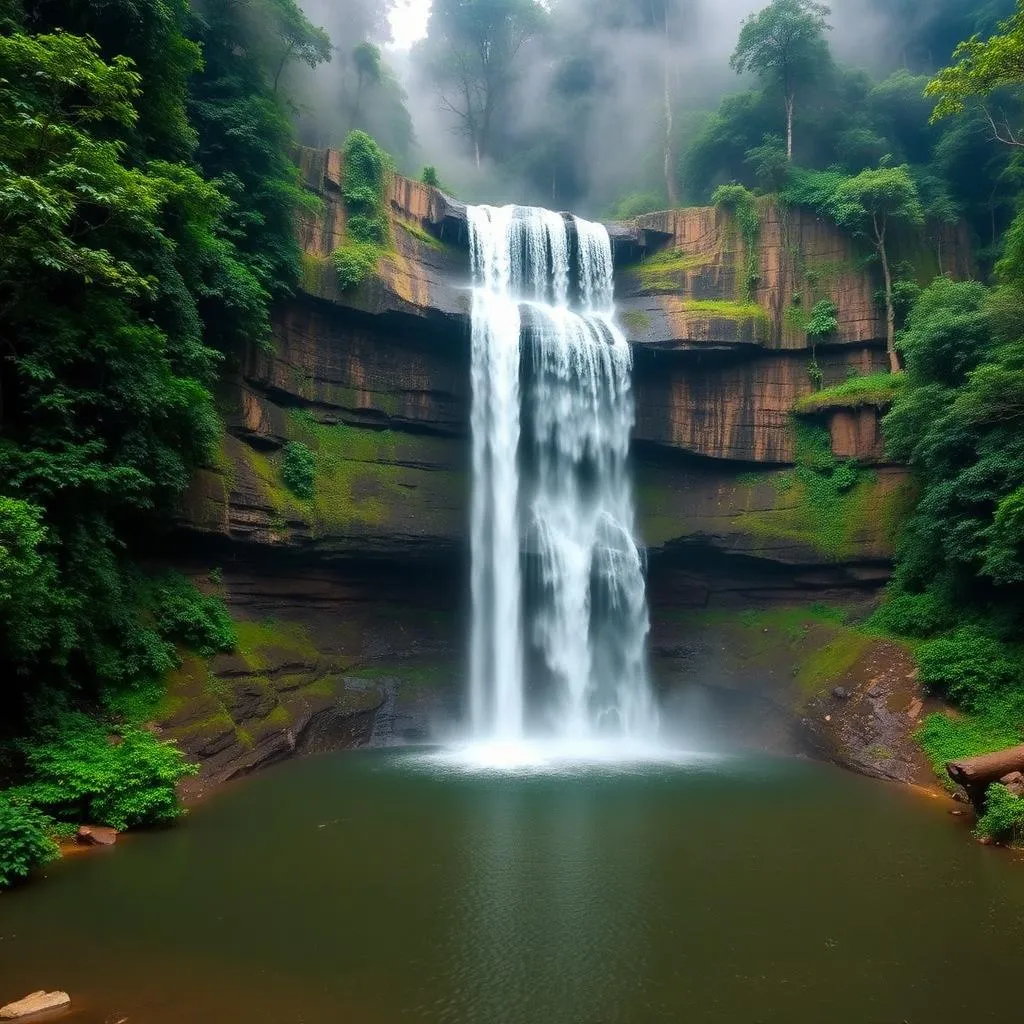
- Do: visit reopened waterfalls for their fullest, most dramatic flow
- Do: take short plantation and tea-estate walks between rain spells
- Do: spend unhurried time on covered verandas watching the rain
- Skip: long exposed treks on wet, slippery terrain
- Skip: relying on any single viewpoint being open on a given day
- Skip: tight day-by-day itineraries — build in slack for weather
Attractions at their best
Waterfalls that look modest for most of the year — smaller cascades along forest roads, as well as the well-known ones once reopened — run at genuinely striking volumes. Tea and coffee estates take on a deep, almost lacquered green. Karlad Lake and similar water bodies rise close to their banks. The trade-off is that some of the most popular trekking peaks and certain sanctuary zones restrict or suspend access for safety during the wettest weeks.
Crowd and pricing patterns
This is the emptiest stretch of the tourist calendar. Resort rates typically fall to their lowest point of the year, restaurants and local guides have far more time for each guest, and popular spots that require queuing in December can be walked straight into. The trade is fewer open attractions and a higher tolerance required for disrupted plans.
What to pack
- A proper rain shell rather than a light umbrella alone
- A dry bag or waterproof pouch for electronics and documents
- Quick-dry clothing and at least two changes of footwear
- Leech socks or salt if venturing onto any forest trail
- A torch, given more frequent power interruptions in remote areas
Safety and road notes
Photography notes
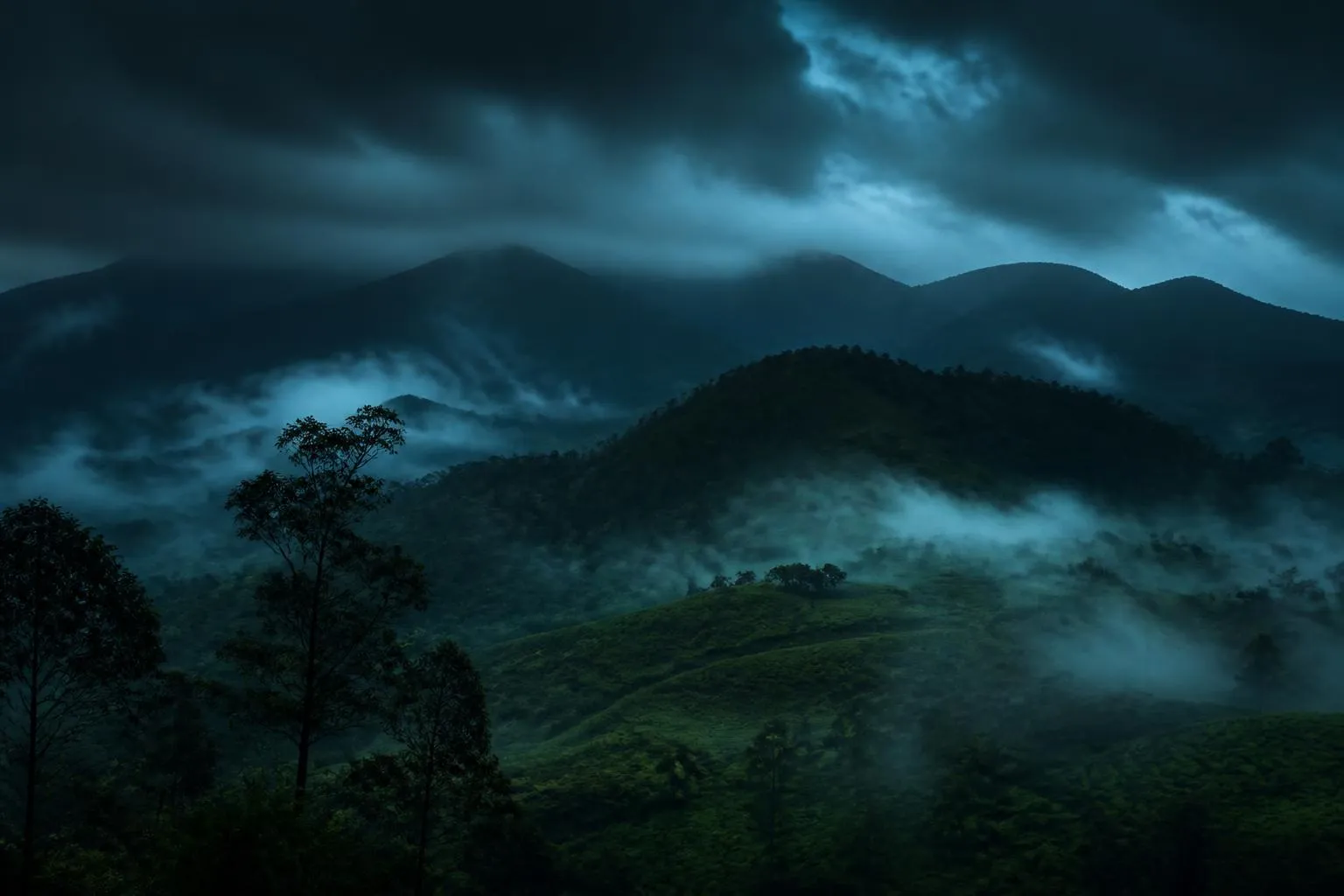
The best light of monsoon often comes not during rain but immediately after it, when mist lifts off the hills in slow, moving bands and the sky briefly clears to a hard, saturated blue against dark cloud. Keep a rain cover on any camera and be patient — the gaps between showers, not the showers themselves, tend to produce the most memorable frames.
Staying at Jungle Edge during monsoon
At Jungle Edge Resort, monsoon shifts the emphasis inward. Covered decks look out over rain moving across the valley, warm interiors and slower mealtimes take the place of packed daily itineraries, and the surrounding greenery is at its most saturated. Staff track local conditions closely and can advise, day to day, on which waterfalls or trails are realistically accessible — useful given how quickly conditions can change through the season.
Frequently asked
Related guides
Best Time to Visit
Wayanad in August: Waterfalls at Their Fullest
Best Time to Visit
Best Time to Visit Wayanad: A Month-by-Month Guide
Waterfalls
Soochipara Falls, Wayanad: A Three-Tiered Cascade for Swimming and Sightseeing
Attractions
Edakkal Caves, Wayanad: Prehistoric Rock Art and a Cleft in the Ambukuthi Hills
Plan the rest of your stay
Balcony rooms, single, twin and premium cottages
Nature walks, campfires, pool evenings
The full hub of attractions, seasons and itineraries
The Jungle Edge journal
Why guests choose Jungle Edge
A stay surrounded by forest and hills
Cottages and activities for every age
Drive times, airports and directions
From the journal
Watch the monsoon roll in from a warm veranda
Jungle Edge Resort's covered decks and calm interiors make monsoon one of Wayanad's most underrated seasons — see current rates.
Thalapuzha, Kanyamoola, Valad (PO), Mananthavady, Wayanad