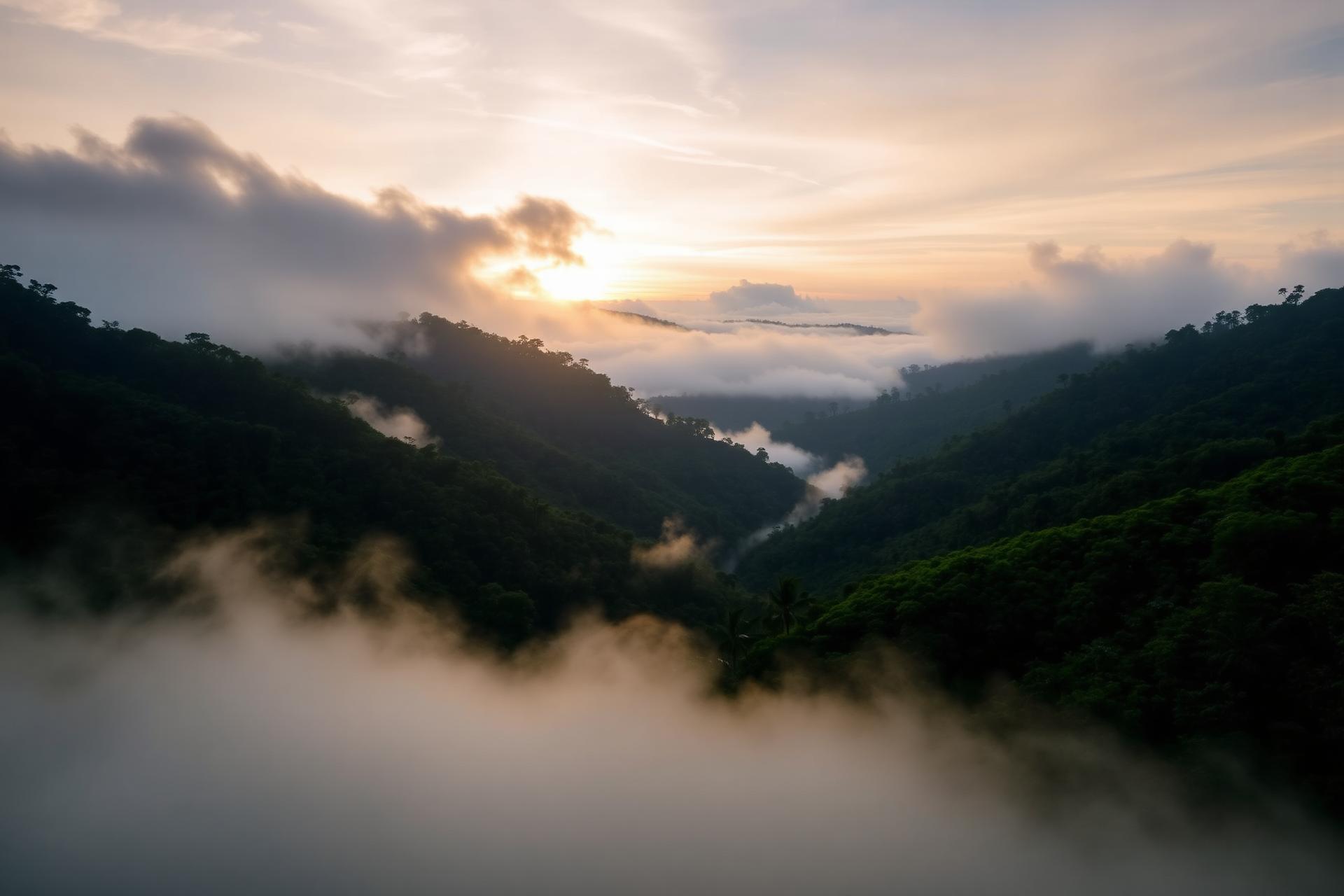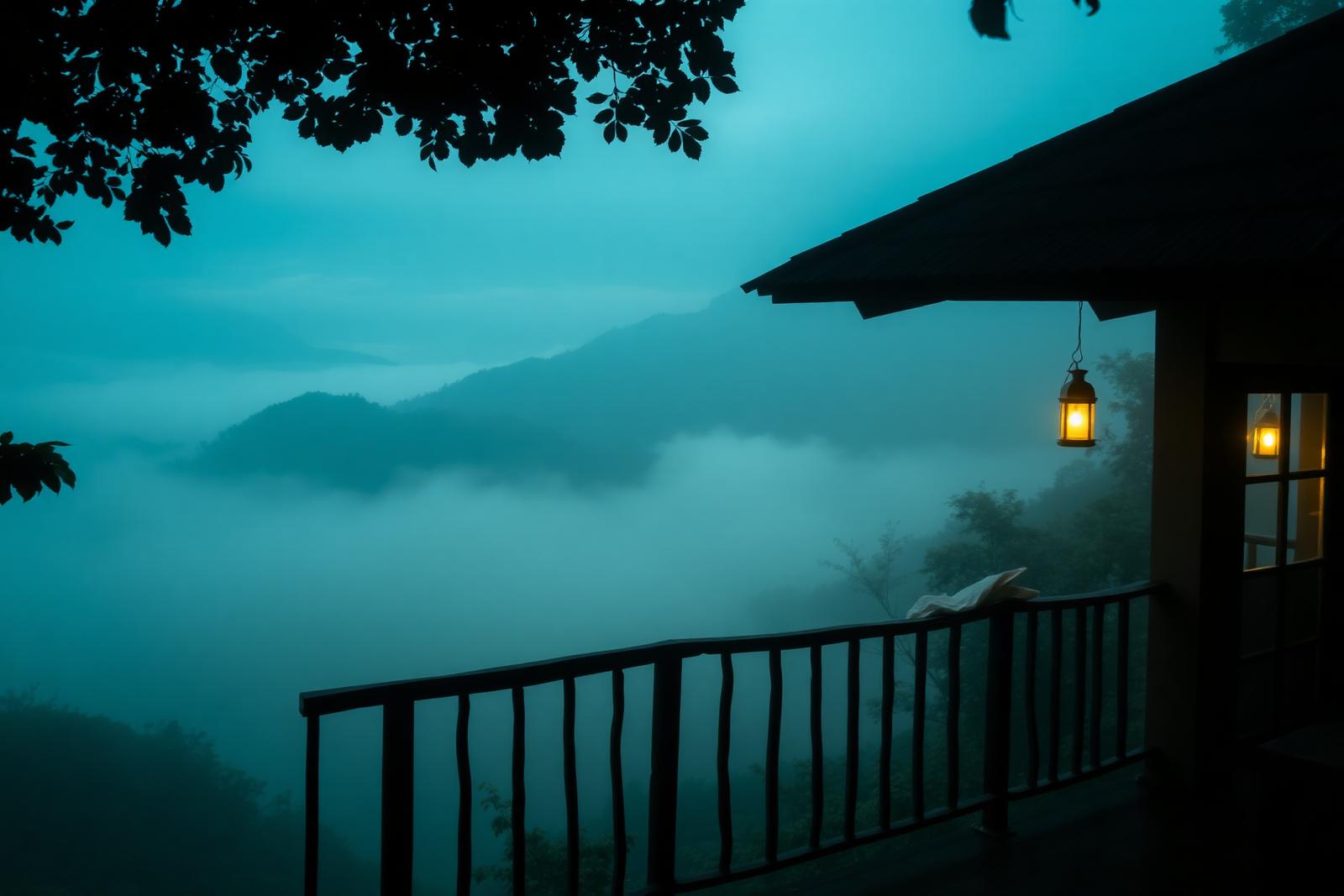
Wayanad rewards travellers who resist the urge to rush. This is a district of nearly 2,100 square kilometres tucked into the Western Ghats, and no single day trip can do it justice. But with a plan — and a base that puts you near the quieter northern reaches around Mananthavady — you can cover its finest experiences without spending half your holiday in the car.
Most visitors arrive expecting waterfalls and leave remembering something else entirely: a sudden view of paddy fields from a hairpin bend, the smell of wet earth after a shower, an elephant crossing a forest road at dusk.
Start with the viewpoints
Chembra Peak, at 2,100 metres, is Wayanad's best-known trek, famous for the heart-shaped lake near its summit — though the final stretch to the true peak has been closed to the public for years for conservation reasons, so most visitors trek to the lake and back, a round trip of about four hours. Book permits early through the forest department counter at Meppadi, since daily numbers are capped.
For a shorter climb with a bigger payoff at dawn, Chain Tree Viewpoint and the trails around Lakkidi offer sweeping views over the ghat road without the queues that build up at Chembra by mid-morning.
Caves, forts and history
Edakkal Caves near Ambalavayal hold Neolithic petroglyphs, some of the earliest evidence of human settlement in South India, reached by a stiff twenty-minute climb up rock steps. Nearby, the Wayanad Heritage Museum is worth an hour for anyone curious about the tribal communities — the Paniya, Kattunayaka and Adiya — who have called these hills home for generations.
Pazhassi Raja's memorial and the Pazhassi Museum near Mananthavady tell a different story: of Kerala Varma Pazhassi Raja, who fought the British from these very forests in the late 1700s, using guerrilla tactics learned from the terrain itself. It is a fifteen-minute drive from Thalapuzha and gives useful context to the whole district.
Water, always water
Meenmutty Falls, Wayanad's tallest, requires a 30-minute walk through forest from the roadside — bring proper shoes, it gets slippery. Kanthanpara and Soochipara are gentler and better for families, with Soochipara offering supervised cliff jumping and rappelling for a fee.
Closer to the northern belt, Pookode Lake offers pedal boating on a natural freshwater lake ringed by forest, and Karlad Lake near Sultan Bathery adds kayaking and bamboo rafting to the mix — a good half-day outing if you are staying around Mananthavady.
Wayanad is not a checklist destination. It is a place that asks you to slow your itinerary down to match its own pace.
Wildlife, without the crowds
Wayanad Wildlife Sanctuary, part of the larger Nilgiri Biosphere Reserve, is best visited early morning by jeep safari from either the Muthanga or Tholpetty range. Tholpetty, in the north, is quieter and closer to Mananthavady, and sightings of elephant herds, gaur and the occasional tiger are genuinely possible if you go with patience rather than expectation.
Staying at a forest-edge property like Jungle Edge Resort in Thalapuzha means you often do not need to wait for a safari at all — the calls of hornbills and the occasional visiting elephant herd are part of the daily soundtrack.
Spice, coffee and slower pleasures
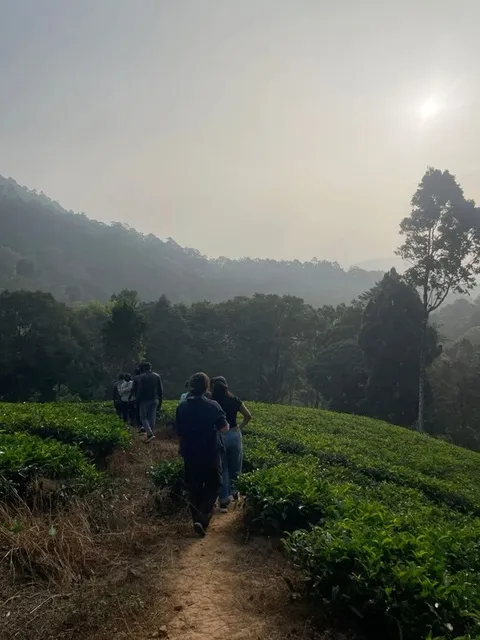
A guided walk through a working plantation near Ambalavayal or Meppadi will teach you to tell pepper vines from betel leaf and show you how cardamom, coffee and areca nut are grown side by side in these hills. Banasura Sagar Dam, India's largest earthen dam, makes a scenic half-day trip with boating available on the reservoir.
Planning it sensibly
Base yourself in the north around Mananthavady if wildlife and quiet are priorities, or closer to Kalpetta and Meppadi if you want easy access to Chembra and the waterfalls. Either way, two to four nights is a realistic minimum to see Wayanad without feeling like you are ticking boxes. Mornings belong to the forests; afternoons, when the light flattens, are best spent at a lakeside table or on a slow plantation walk.